)
)
)
How GCC Sweets & Snacks Buyers Are Rewriting Sourcing Corridors for 365-Day Inventory Reliability
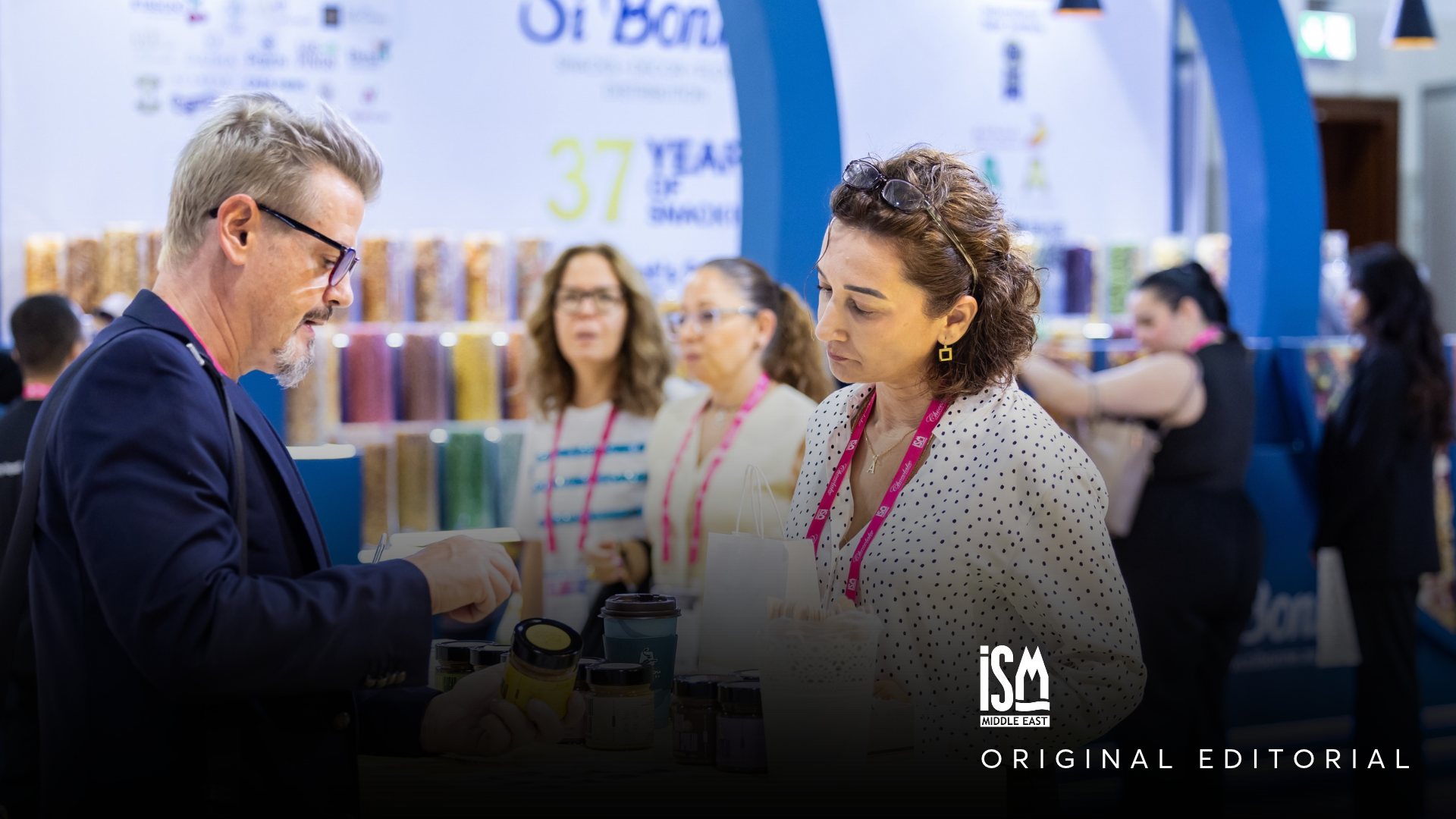
In the modern GCC retail aisle, a brilliant product without a resilient supply line is a commercial liability. As the regional sweets and snacks market accelerates toward a $12.87 billion valuation by 2030 (7.18% CAGR), the fight for market share is being won in supply corridors. Within three meters of shelf space, everyone involved in sourcing from retail buyers and category heads to distributors, wholesalers, and hospitality procurement teams must solve three distinct economic puzzles: the fast-moving $1 impulse buy, the weekly $5 staple, and the $50+ luxury festive gift box. Each follows a different rhythm, but all require non-negotiable 365-day inventory reliability making the 2027 range as much a question of supplier capability as product appeal.
The region is actively diversifying sourcing routes. According to USDA Foreign Agricultural Service data, Saudi Arabia’s consumer-oriented food imports grew to US$17.4 billion (within a broader US$33 billion+ total agricultural import market), with savoury snacks, baked goods, and confectioneries leading growth categories. Sourcing remains balanced across key corridors: the UAE leads as the primary regional trade and re-export partner, while European manufacturing hubs notably Italy, Türkiye, Poland, and Germany supply the core of non-regional volume. In the UAE, where the local chocolate market reached US$566.7 million, cocoa and chocolate product imports continue to draw more than 50% of their total value directly from EU producers. These figures underline both European production depth and the indispensable role of regional trade corridors in maintaining 365-day shelf availability across the Gulf.
One Shopper, Multiple Basket Rhythms
A single price position no longer defines the basket. NielsenIQ tracking in Saudi Arabia shows value-tier FMCG sales up 22.1% and premium-tier sales up 18.2% over two years to April 2026. Accessible indulgences and high-margin trade-up lines must coexist.
Ingredient expectations are evolving in tandem. YouGov research reveals 38% of UAE and Saudi consumers buy wellness-focused groceries weekly, signaling a clear mandate to test reduced-sugar, protein, and fiber-led products against taste and repeat-purchase rates.
Seasonal timing is equally critical. NielsenIQ holiday analysis shows packaged-goods spending peaks at the start of Ramadan rather than its end. Gifting and sharing lines must be on-shelf before peak occasions begin, while everyday lines require uninterrupted post-peak replenishment.
Consumer trends are adding another layer of complexity
Chocolate products, for example, serves multiple commercial roles. Tablets and smaller formats address everyday consumption, while pralines, nut-based products and premium assortments target gifting. Reduced-sugar variants add another layer of choice for label-conscious shoppers. Kai Freudenmann. Head of Sales, Klett Schokolade GmbH & Co. KG(Germany), states,”
“Gulf buyers are increasingly planning for both everyday chocolate consumption and premium gifting, which means suppliers need to offer the right formats while maintaining reliable replenishment across the year.”
The dynamics are similar in confectionery, biscuits, cakes, daily basket products, savoury snacks and traditional sweets. Claus Andersen, Export Director at Gumlink Confectionery Company, states: “Colour and texture are certainly important, but flavour, the right portion and a workable price point are also what help a gummy range earn repeat orders across retail and wholesale.”
Beyond price: What buyers are assessing from suppliers
The supplier assessment process is becoming more comprehensive. Landed costs remain important, but buyers also need to consider production capacity, minimum order quantities, shelf life at arrival, certification, market-specific labelling, packaging durability and repeat-order lead times.
These variables can differ significantly between markets. A product specification and price architecture developed for the UAE may require adjustment for Saudi Arabia, while distributors supplying Bahrain, Kuwait, Oman and Qatar must assess their own outlet mix and volume requirements. The same applies across channels. Omar Hakimi, Managing Director, at LEE Chocolate (UAE), stated: “Whether supplying luxury boutiques, premium hospitality venues, or festive gifting clients, each channel demands a tailored presentation and delivery rhythm. Aligning on those bespoke details with buyers is how we support consistent, repeat business.”
Three Days to Shape the Next Twelve Months at ISM Middle East
For sweets and snacks trade professionals planning their 2027 ranges, the ability to assess products alongside manufacturing capacity, export readiness and replenishment capabilities can help turn sourcing diversification into a practical category strategy.
This is where ISM Middle East 2026 enters the equation. Taking place from November 3 to 5, 2026, at Dubai World Trade Centre, the event is co-located with Private Label Middle East, Gulfood Manufacturing, and GulfHost, and brings more than 240 exhibitors from over 40 countries together across confectionery, chocolate, snack foods, traditional sweets, biscuits and cakes, and ice cream and desserts. The exhibitor base includes European specialists such as Trolli Gmbh, Cafosa Gum, Confetti Crispo, TRAPA, Casa del dolce, Klett Schokolade, Dr Gerard, Asian innovators like Yupi Indo Jelly, Ceylon Biscuit, Mr. Bectors; and regional manufacturing giants like Anabtawi Food Industries LLC, Al Wefag Manufacturing, LEE Chocolate and Batook Chewing Gum and many more. Registration is free for trade professionals. To learn more and register, visit ISM Middle East.

)
)
)
)
)
)
)
)
)
)
)
)
)
)
)
)