)
)
)
Climate Change Intensifies Pressure on Global Food Security
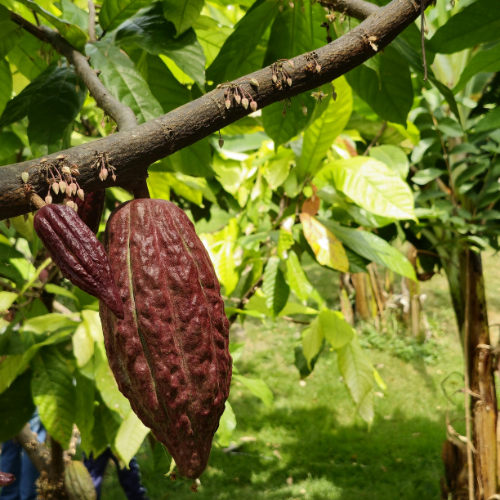
Climate change is emerging as a major force influencing global food security, as extreme weather increasingly disrupts crop production, logistics and commodity markets. Floods, droughts, heatwaves and powerful storms are reducing yields across key agricultural regions and threatening a wide range of staple and cash crops.
The financial impact is mounting. Extreme weather events generated around $50 billion in global economic losses during 2025, with wind-driven storms and flooding among the most damaging. These events are becoming more frequent and severe, amplifying risks for farmers, food manufacturers and governments.
Climate stress is also disrupting food transportation. Persistently low water levels in major rivers have limited barge traffic, causing delays, reducing cargo capacity and pushing shipments toward more expensive transport options such as rail and trucking. These bottlenecks are contributing to production slowdowns and localised supply shortages.
At the market level, growing climate volatility is driving sharper price swings in agricultural commodities. Unpredictable weather patterns are widening the range of yield outcomes, making both bumper harvests and crop failures more likely and complicating risk management for buyers and traders.
As pressures increase, the industry is turning to regenerative farming practices and real-time crop monitoring technologies to improve resilience. With climate change now affecting every stage of the food system, from production to distribution, safeguarding global food supplies is becoming an urgent economic and policy priority.


)
)
)
)
)
)
)
)
)
)
)
)
)
)
)
)