)
)
)
Taste and Texture Continue to Define Confectionery Innovation
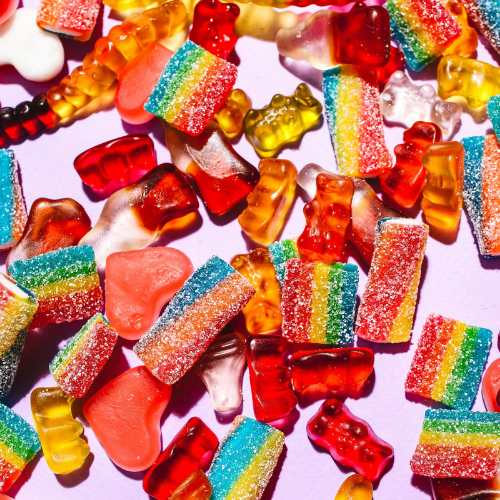
In confectionery, consumer loyalty is still driven by the fundamentals: taste and texture. While health positioning, sustainability and cleaner ingredient lists are gaining importance across the food industry, indulgence remains central to confectionery purchasing decisions, placing sensory experience above almost every other factor.
From the snap of chocolate and the chew of gummies to creamy fillings and fizzy coatings, flavour delivery and mouthfeel strongly influence how consumers perceive products from the very first bite. Brands that successfully balance these sensory elements are more likely to secure repeat purchases, while products that miss expectations risk losing relevance regardless of their nutritional or ethical claims.
As manufacturers continue reformulating products to reduce sugar, introduce plant-based alternatives or improve nutritional profiles, maintaining the original eating experience has become increasingly complex. Changes to fats, sweeteners and functional ingredients can alter flavour release, texture and melt characteristics, requiring more advanced formulation and processing strategies.
Texture, once considered mainly a technical consideration, has now become a visible innovation driver within confectionery. Consumers are increasingly seeking multi-sensory experiences through contrasting crunch, layered textures, aerated formats and novelty inclusions. Social media has further accelerated this trend, with visually distinctive and texturally unique products generating strong online engagement and consumer curiosity.
At the same time, evolving dietary and lifestyle trends are influencing texture development. Functional confectionery, including high-protein and fortified products, depends heavily on texture optimisation to maintain appeal, while softer and more portable formats are becoming more relevant for ageing demographics and convenience-focused consumers.
Premiumisation is also defining sensory innovation across the sector. Luxury confectionery products are increasingly focusing on smoother textures, refined melt profiles and complex flavour combinations, often paired with inclusions such as nuts, caramel and layered fillings to enhance the overall experience.
Meanwhile, the rise of vegan and dairy-free confectionery is pushing manufacturers to explore new fats, fibres and hydrocolloids to recreate creaminess, elasticity and bite without compromising sensory quality. Advances in aeration, extrusion, layering and enrobing technologies are further expanding opportunities for texture differentiation at scale.
As competition intensifies, confectionery companies are placing greater emphasis on collaboration between R&D teams, ingredient suppliers and processing specialists to ensure products meet evolving sensory expectations. The ability to deliver strong taste and texture consistently is becoming a key differentiator in crowded markets.
Looking ahead, sensory performance is expected to remain central to confectionery innovation. As brands navigate reformulation pressures, rising consumer expectations and premium positioning strategies, taste and texture will continue to define product success across the category.
Source: Confectionery News


)
)
)
)
)
)
)
)
)
)
)
)
)
)
)
)