)
)
)
Snack reformulation trends: How can brands boost nutrition without sacrificing sensory appeal?

- Consumers now expect healthier snacks, with protein, fiber, and clean labels driving reformulation, while indulgent flavors remain crucial.
- Snack brands are moving beyond single-ingredient swaps to integrated systems, balancing protein, sugar reduction, and sensory appeal.
- Natural color and flavor innovation, along with advanced protein systems, are key to meeting consumer demands for nutritious, flavorful, and visually appealing snacks.
Health is no longer a niche positioning in snacks — it’s a consumer expectation — but indulgence remains critical. Snack reformulation has moved beyond single-ingredient swaps, as manufacturers increasingly adopt integrated systems that balance protein fortification, sugar reduction, and clean label transparency, without sacrificing sensory appeal.
Innova Market Insights data shows that global consumers seek protein (60%) and fiber (55%) when purchasing snacks. However, most (74%) say flavor, taste, and texture are the most important factors when choosing between snacks.
Flavor and color are emerging as decisive tools in striking the balance between health and indulgent appeal. As plant proteins, fibers, and sugar alternatives reshape formulations, manufacturers must manage the sensory cues that can influence consumer expectations.
Food Ingredients First explores the biggest challenges and opportunities for snacking manufacturers with leading ingredient suppliers Puratos, Cargill, MicroDried, Synergy Flavors, and Givaudan Sense Colour.
Nutrition as the new baseline in snacks
The rising consumer demand for healthier and functional snacks is no longer confined to niche launches — it is reshaping core portfolios and formulation strategies across the category. As evidenced at ISM & ProSweets 2026, a clear consensus is emerging: nutrition must be embedded into mainstream snacks without compromising indulgence.
Dr. Sara de Pelsmaeker, group health & well-being director at Puratos, points to the strong consumer momentum behind this shift, with the company’s “Taste Tomorrow” data showing 62% of consumers globally look for healthier versions of their favorite snacks, underscoring the move toward reformulating familiar formats rather than launching separate better-for-you lines.
“We’re seeing strong momentum around better-for-you fillings with less sugar and more real fruit, 100% nut pastes that deliver richer flavor alongside nutritional benefits, and higher-fiber, higher-protein formats in everything from bars to bites to muffins,” says de Pelsmaeker. “Premium inclusions like dark chocolate coatings are gaining ground, and the ‘less sweet’ trend accelerating across Asia is beginning to influence Western snack development — signaling a broader shift toward more balanced, sophisticated flavor profiles.”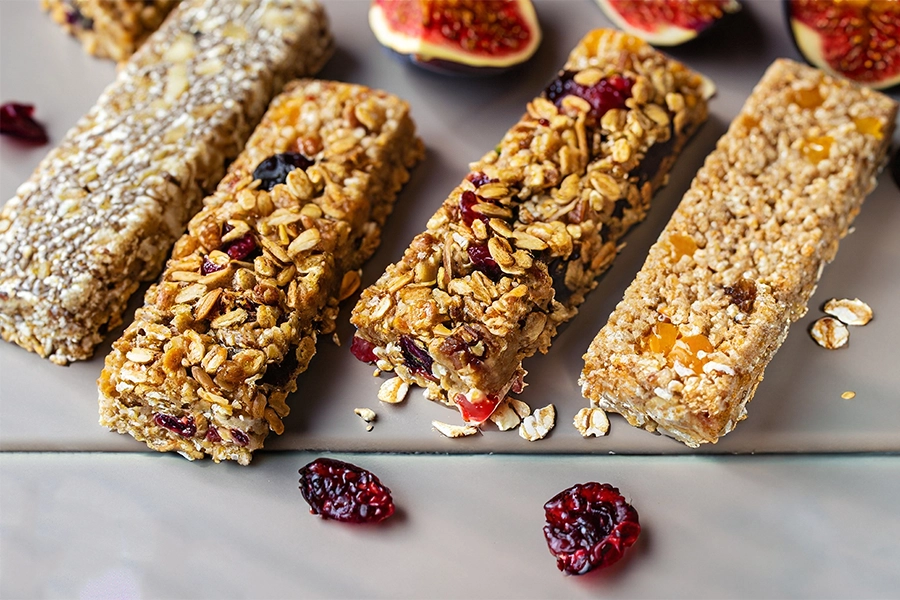
Brands are now expected to balance nutrition with indulgence, moving beyond simple ingredient swaps to integrated systems that boost protein, reduce sugar, and maintain flavor.
Cargill highlights how new consumer demand is shifting the innovation focus from an ingredient-systems perspective. Quentin Schotte, F&B commercial marketing manager at the company, says reformulation is now influencing core portfolios, with brands working to reduce sugar, salt, and saturated fat, while preserving crunch, creaminess, and flavor impact. “Success increasingly depends on how well protein, fiber, fats, sweeteners, and texturizers work together to meet nutritional targets, while preserving the eating experience consumers expect,” he explains.
)
)
)
)
)
)
)
)
)
)
)
)
)
)
)
)