)
)
)
The Sweet Trade: Mapping the Global Flow of Confectionery and Snacks
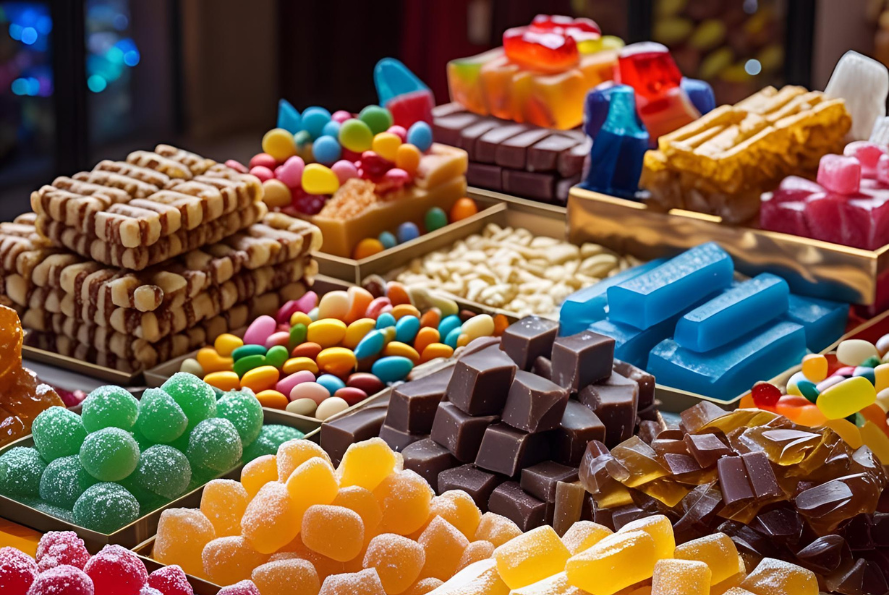
Visit any supermarket or duty-free shop and you’ll see the global snack economy in motion: Swiss chocolate, Turkish wafers, Indonesian crisps, all crossing borders at a massive scale. Behind every treat is a fast-evolving trade system that reflects shifting demand, rising exports and expanding re-export hubs.
As emerging markets gain buying power and trade routes grow more complex, key questions are front of mind for global buyers and distributors: Who is producing? Who is scaling? Where is demand heading?
A Closer Look at Regional Trade
Across the Middle East, demand for confectionery continues to grow. In 2024, total imports reached 880,000 tonnes, valued at around $4.6 billion. While established producers in Europe and West Africa remain key suppliers, the trade is no longer one-directional. Countries once seen only as consumers are now investing in production and logistics, stepping into new roles as regional hubs.
As this shift continues, markets across the Middle East, Asia and Africa are becoming central to the future of the global snack trade. Welcome to a new era of confectionery and snack trade, connected, competitive and full of opportunity.
Who’s Selling? The Top Exporters of Confectionery and Snacks
High-demand markets depend on a small group of leading exporters. A handful of countries dominate global supply, not just in volume but in efficiency, innovation and reputation. Germany leads the way, exporting over $4.19 billion in confectionery in 2024, supported by advanced manufacturing, established brands and smooth EU logistics.
Exhibitors such as Powermints GmbH, Trolli GmbH, Zentis Süßwaren GmbH & Co. KG, Klett Schokolade GmbH and many more will represent the country at ISM Middle East, highlighting innovation across both mainstream and novelty segments. The Netherlands follows, acting as both a major producer and a distribution hub, with Dutch companies bringing a growing focus on functional and clean-label sweets.
The United States continues to play a major role, particularly in snacks like energy bars, gum and savoury items. This year’s ISM Middle East will welcome KoKo's Confectionery & Novelty, reflecting the country’s stronghold in confectionery. Switzerland, though smaller in export volume, maintains its premium position in chocolate with iconic names like Lindt.
This year, Lindt & Sprüngli will be among the Swiss exhibitors at ISM Middle East, showcasing a refined range of high-quality and gifting-focused products. Among emerging exporters, Poland and India are scaling up fast, Terravita Sp.z.o.o. from Poland and Mrs. Bector’s from India will be among those showcasing a range of products designed for diverse markets. From Asia, Shenzhen Amos will represent China’s growing footprint in the novelty and jelly segments.
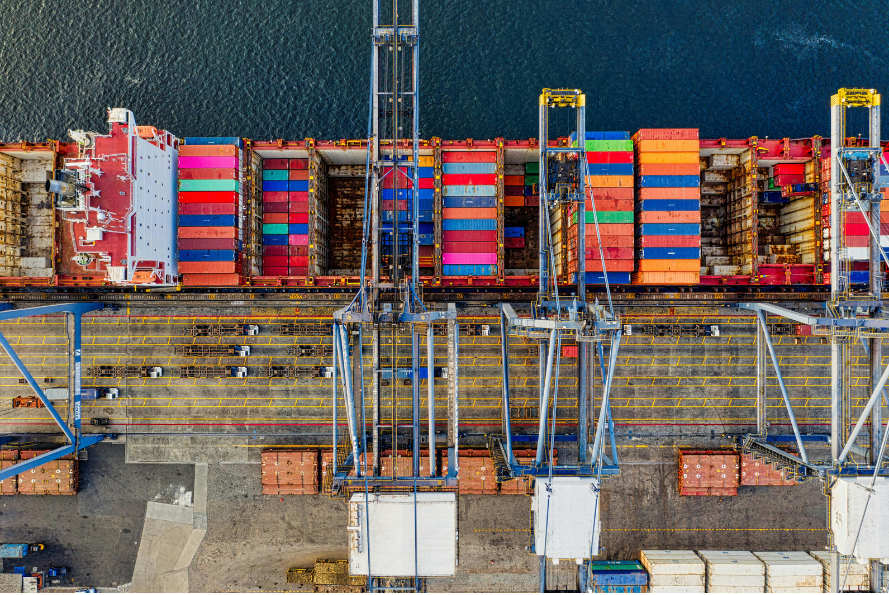
Who’s Buying? Growing Import Markets
In the MENA region, the UAE, Saudi Arabia and Egypt lead the way. The Middle East and Africa confectionery market was valued at US$4.83 billion in 2024, with projections indicating growth to US$5.90 billion by 2033. In Asia-Pacific, imports are climbing in China and India, driven by large populations and expanding middle classes.
Why this growth? A few key drivers:
- Across Africa, rapid urbanisation and rising incomes are fuelling demand, opening new markets for global snack and confectionery brands.
- Dietary habits are shifting globally, influenced by both tradition and global trends, leading to demand for everything from classic chocolate to health-focused and functional snacks. Exhibitors such as Shenzhen Amos (China) will present novelty-driven formats that appeal to these changing tastes.
- Within MENA, this evolving consumer base is creating space for product variety: chocolate and sugar-based confectionery remain favourites. Brands like Katrina Sweets and Emirates Snack Food (UAE), along with Saudi Ice Cream, will showcase their latest offerings tailored to regional preferences.
- Premium and artisanal products are gaining popularity in wealthier urban centres, including high-end chocolates, nuts and speciality snacks. At ISM Middle East, exhibitors such as Vocca Chocolates LLC and Elvan Egypt will reflect the region’s growing appetite for quality and craft.
Understanding these trends allows importers and distributors to align sourcing strategies with more selective and informed consumers across key markets.
The Role of Trade Associations and Agreements
Trade associations are central to the progress of the snack and confectionery industry. Bodies such as CAOBISCO in Europe and the National Confectioners Association in the US help to set standards, advocate for fair policies and connect producers, buyers and sellers. They also influence trade frameworks that open markets and reduce costs.
Agreements between GCC countries and their partners, for example, can simplify customs and lower tariffs, essential in a competitive and fast-moving sector. Certifications including Halal, organic and Fairtrade are becoming increasingly important, particularly in the Middle East and North Africa. Halal certification provides access to Muslim-majority markets, while organic and ethical labels attract consumers focused on health, sustainability and social impact.
Middle East Spotlight: A Growing Hub
The Middle East, led by the UAE and Saudi Arabia, is becoming both a major consumer base and a key logistics hub. With its advanced ports and free zones, the UAE acts as a re-export gateway for Africa, South Asia and beyond. Saudi Arabia is taking steps to diversify its economy and grow domestic production under Vision 2030, reducing dependence on imports.
This opens opportunities for global confectionery and snack brands to collaborate with local partners and expand regionally. ISM Middle East supports this momentum by connecting suppliers and buyers at trade events, while providing insights into the region’s evolving market.
Stay Ahead in the Evolving Snack Trade – Join Us at ISM Middle East
The snack and confectionery trade is evolving rapidly, driven by new markets, changing consumer preferences and shifting trade flows. To stay competitive, buyers and distributors need to adapt and innovate. ISM Middle East, taking place from 15 to 17 September at Dubai World Trade Centre, brings together key industry players to explore these trends and opportunities. Visit ism-me.com/ to learn more and register.
)
)
)
)
)
)
)
)
)
)
)
)
)
)
)
)