THE SNACK INDUSTRY'S MOST DYNAMIC MARKET IS RIGHT HERE

The global snack food industry is worth over $718 billion and the fastest-growing slice of it sits squarely across the Middle East, Africa and Asia. The APMEA region is no longer just a destination for global snack exports; it is an originating force in product innovation, flavour development and consumer trend-setting.

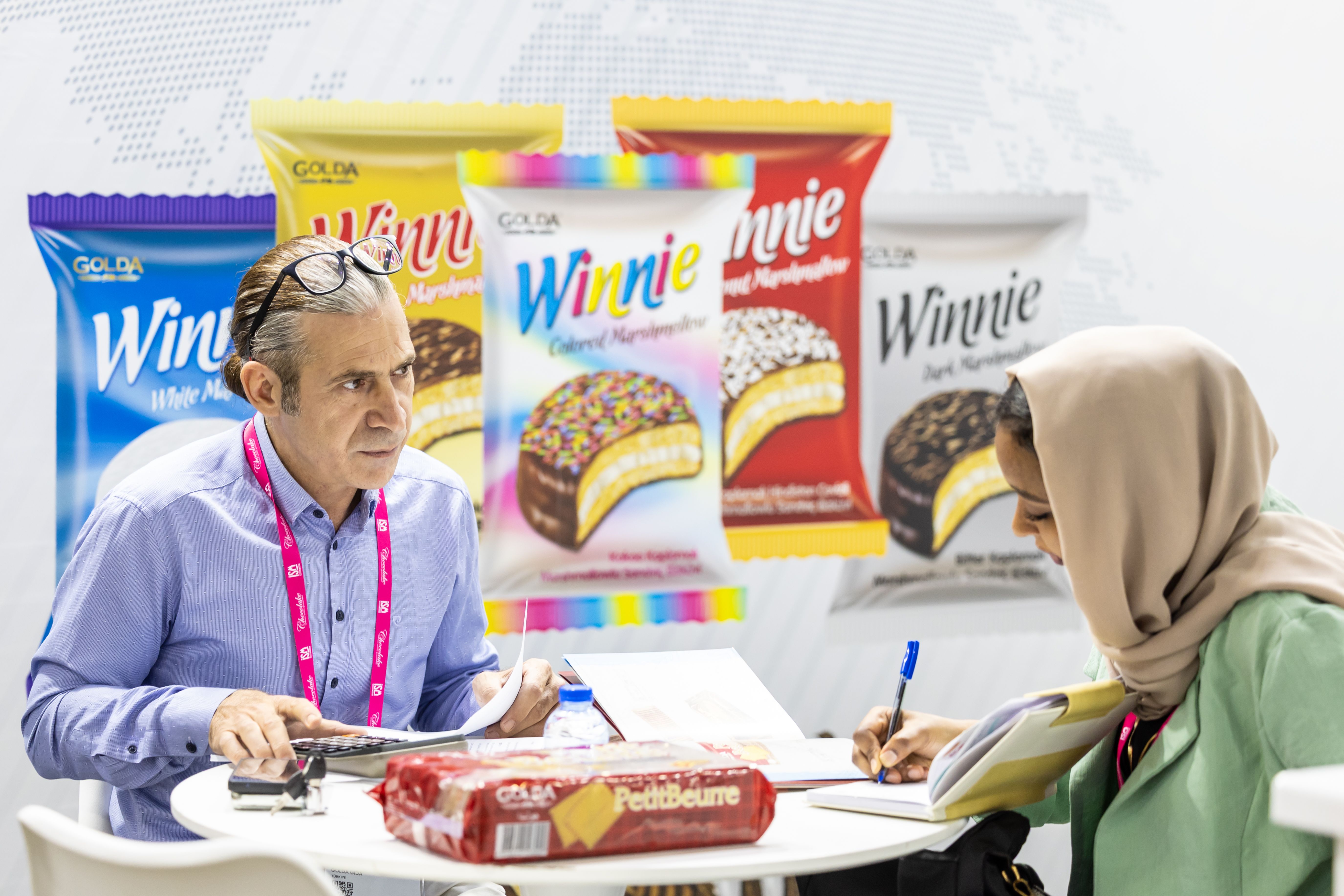
ISM Middle East brings this entire ecosystem together in one place. As the region's only dedicated sweets and snacks trade event, it serves as the primary sourcing, networking and intelligence platform for the industry across emerging and established markets alike. For three days every year in Dubai, the world's commercial gateway, the people who make, buy, distribute and shape the snack industry meet to do business. Whether you are sourcing new products for regional distribution, bringing an innovation to market or tracking where consumer demand is heading next, this is where that work gets done.


image

TRENDS SHAPING THE SNACK CATEGORY IN APMEA

Functional and Health-Positioned Snacking Is Becoming the Norm

Across the Middle East and Asia, health-conscious purchasing behaviour has moved from a niche preference to a mainstream expectation. Consumers are actively seeking snacks that deliver protein, fibre, probiotics, or reduced sugar not as a compromise, but as a baseline requirement. The global healthy snacks market was valued at $95.8 billion in 2025 and is projected to grow at a CAGR of nearly 5% through 2034. In the MENA region specifically, clean-label positioning has evolved from a marketing differentiator to a consumer standard. Brands that cannot clearly communicate what is in their product and what is not are losing ground to those that can.

Flavour Innovation Is Being Driven by Cultural Diversity

The UAE's consumer base spans over 200 nationalities, creating one of the most flavour-adventurous markets in the world. This diversity is pushing manufacturers beyond universal taste profiles toward bold, regionally inspired combinations black truffle crisps, jalapeño-seasoned extruded snacks, kunafa-influenced chocolate coatings and Southeast Asian-inspired rice formats are finding receptive audiences well beyond their origin markets. Social media, particularly short-form video platforms, is accelerating this cycle significantly, compressing the time between a trend emerging and a product reaching the shelf

Snackification Is Restructuring Eating Occasions

In both Asia and the Middle East, traditional meal structures are giving way to more flexible, snack-led eating patterns. Urbanisation, longer working hours and cost-of-living pressures are driving what the industry terms "snackification" the substitution of full meals with portable, satisfying snack occasions. In India, nearly one in five adults replaced a meal with a snack in 2024. Euromonitor projects MENA snack value growth at a CAGR of 4.6% through 2029 on the back of this structural shift. The commercial implication is clear: demand is growing not just for indulgent snacks but for formats that deliver genuine nutritional value within a convenient, on-the-go experience.

Plant-Based Snacking Is Maturing Past the Trend Phase

Plant-based snacks across Asia and the Middle East are moving away from meat-substitution messaging toward a more direct proposition: whole, natural plant ingredients that are inherently good to eat. Chickpea puffs, tempeh chips, pulse-based crisps, sesame and grain-based formats and coconut-derived snacks are gaining shelf space on the strength of their own nutritional identity. Plant-based protein ingredients are projected to grow at a CAGR of 12.4% globally and the localisation of plant ingredients drawing on regionally familiar sources is proving especially effective in Asia-Pacific and MENA markets.

Sustainable Packaging Has Moved from Preference to Procurement Criteria

Across the Gulf markets in particular, sustainability credentials are increasingly influencing B2B purchasing decisions, not just consumer choices. Buyers and retailers are applying pressure on snack brands to demonstrate recyclable or compostable packaging, traceable sourcing and measurable reductions in environmental footprint.

Premiumisation Is Holding Strong Despite Economic Pressures

In contrast to some global markets where consumers are trading down under cost-of-living pressure, MENA shoppers continue to demonstrate a strong preference for branded and premium snack products. This is partly a function of the region's demographic profile a large, income-earning expatriate population with established brand familiarity and partly a reflection of the role snacks play in social and gifting occasions across the region. For international brands, this represents a meaningful window: the MENA market rewards quality positioning and is less susceptible to the race-to-the-bottom pricing dynamics seen elsewhere.

  • Pretzels / salted cocktail snacks / salted sticks

  • Cashew nuts / peanuts / peanut puffs / hazelnuts / macadamia nuts / almonds / pecan / pistachio

  • Cocktail biscuits / crackers (water biscuits) / corn snacks

  • Cheese biscuits / assorted cheese snacks / cheese wafers / cheese rolls

  • Potato crisps / potato sticks / other potato snacks

  • Cocktail biscuits / mini-pizza biscuits

  • Salted pretzels and rolls

  • Assorted nuts / assorted nuts and raisins

  • Assorted nuts / tropical fruit and nuts

  • Kernels (pine, soya)

  • Puffed rice

  • Rice snacks

  • Salted snacks (pretzels / assortments / sticks)

  • Wheat snacks

  • Onion rings / onion rolls

  • Sunflower seeds

  • Vegan snack foods

  • Sugar-free snack foods

  • Sugar-reduced snack foods

  • Fat-reduced snack foods

  • Lactose-free snack foods

  • Gluten-free snack foods

  • Salt-reduced snack foods

  • Meat snacks

  • Fish snacks

  • Other savoury snacks

  • Vegan trend snacks

  • Dried fruit and vegetables

  • Fruit, vegetable and nut bars

  • Fruit crisps / vegetable crisps / crackers

  • Chocolate-coated dried fruit (pineapple, apple rings, apricots, dates, figs, plums)

  • Energy and sports bars

  • Energy snacks

  • Products without additives

  • Vegan chocolate

  • Bean-to-bar chocolate

LATEST NEWS AND INSIGHTS ON SNACKING INDUSTRY